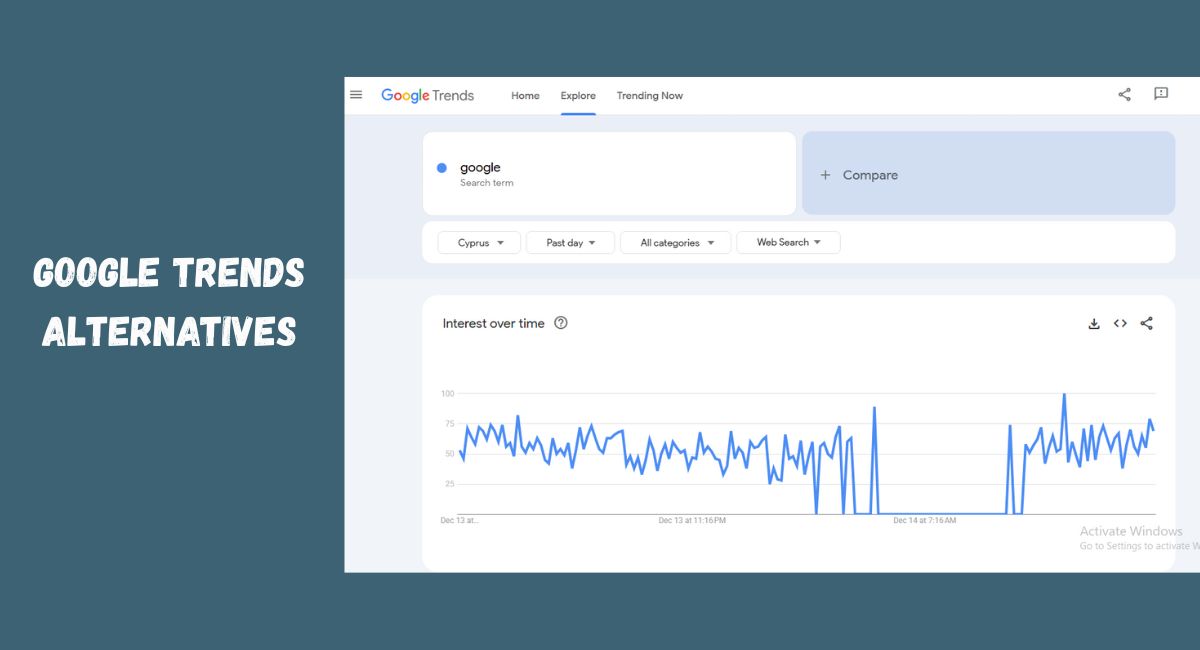
Why Look for Google Trends Alternatives?
Many marketers love Google Trends because it is free and easy to understand, but it also has limits that make people search for Google Trends alternatives. It does not show exact search volume data, it does not give keyword difficulty, and it does not work well for small niches. These gaps create problems for marketers who want to discover topics before they go viral or understand real market demand. This is one reason why many brands, publishers, and e-commerce sellers now explore tools like Google Trends to get deeper data.
Another issue is that Google Trends’ limitations make it harder to understand competitor behavior or find autocomplete keyword ideas from multiple platforms. Marketers want tools that offer trend forecasting, keyword suggestions, and competitor analysis tools so they can plan ahead. That is why this article covers the best modern trend discovery tools for marketers, showing how you can explore trending keywords, identify markets, and understand search interest data with stronger accuracy.
Executive Summary – Top Google Trends Alternatives at a Glance
There are many platforms that go beyond what Google Trends offers, and they work better for teams that rely on deep insights. Tools like Ahrefs, Semrush, Pinterest Trends, Exploding Topics, KeywordTool.io, Similarweb, and Ubersuggest provide richer details on search volume data, trending industries, and niche patterns. These tools are also helpful for e-commerce sellers who want trend forecasting tools for e-commerce or marketers looking for trending tools that track seasonality.
Many brands also want competitor traffic analysis tools because they help them understand what is already working in the USA. This is where platforms like Similarweb competitor intelligence come in. You also get tools that focus on discovering emerging trends early through datasets like Exploding Topics Pro or the Exploding Topics API, which uncover fast-rising searches before other marketers notice.
Comparison Chart: Features, Pricing & Accuracy
| Tool Name | Shows Search Volume | Shows Keyword Difficulty | Trend Forecasting | Competitor Analysis | Best For |
| Ahrefs | Yes | Yes | Medium | Strong | SEO professionals |
| Semrush | Yes | Yes | Medium | Strong | Agencies and digital marketers |
| Ubersuggest | Yes | Yes | Medium | Weak | Beginners |
| Pinterest Trends | No | No | Medium | None | Visual niches |
| KeywordTool.io | Yes | No | Low | None | Amazon, YouTube, Pinterest data |
| Exploding Topics | No | No | Strong | None | Early trend spotting |
| Similarweb | No | No | Low | Strong | Competitor intelligence |
This chart shows why some marketers prefer Google Trends alternatives. Most professionals need platforms that offer strong keyword research tools, content research tools, and accurate keyword difficulty data. These features are missing in Google Trends, so choosing the right tool depends on your niche, your goals, and how early you want to discover new trends.
Glimpse Into the Future: Search Trends Tools in 2025–2026
The future of trend research is growing fast because more people want to understand long-term behavior, not just short spikes. In 2025–2026, many trend discovery platforms will focus on artificial intelligence to detect hidden patterns. These systems will track emerging trends, find micro-communities, and study how people search across Amazon, YouTube, Pinterest, TikTok, and other digital channels. This helps marketers learn how to find trending topics across multiple platforms instead of relying on just one source.
These upcoming tools will also emphasize deeper datasets involving retail searches, product adoption, and global interest shifts. Many experts believe that trend tools will merge with digital marketing platforms to help advertisers discover trending products for e-commerce faster. The next generation platforms will combine forecasting with historical patterns, letting users see exactly how to compare search trends across platforms with precise numbers.
Top 15 Google Trends Alternatives to Try in 2026
There are many strong tools that give deeper insights than Google Trends, and they cover everything from trending keywords to advanced competitor analysis tools. Some of the best options include Ahrefs, Semrush, Ubersuggest, Similarweb, Pinterest Trends, Treendly, KeywordTool.io, Exploding Topics, Trend Hunter, AnswerThePublic, BuzzSumo, TikTok Creative Center, Insider Intelligence, and Amazon Movers & Shakers. These platforms help people understand how to find up-and-coming trends using real-world data.
Each tool specializes in different things. For example, Ahrefs keyword research is known for its accuracy, while Semrush features combine SEO and social data. Treendly works as a cleaner version of Google Trends, which is why many people compare Treendly vs Google Trends. The Trend Hunter website gives cultural trend insights, while Insider Intelligence reports help marketers plan long-term strategies. These tools give wider angles than Google Trends, which is why many see them as strong replacements.
Google Trends vs Ahrefs – Which Gives Better Data Insights?
When comparing Google Trends vs Ahrefs, it becomes clear that Ahrefs offers more precise numbers. Ahrefs shows search volume data, keyword difficulty, competitor results, backlinks, and content gaps, which are extremely helpful for SEO. Google Trends, on the other hand, only shows relative interest and cannot tell you how many people search for a keyword. This makes Google Trends good for patterns but not enough for full keyword research.
Ahrefs is a better long-term platform because it also provides competitor traffic analysis tools and deeper insights to support SEO campaigns. Many professionals also rely on Ahrefs because it gives powerful keyword suggestions, content research tools, and keyword trends for SEO, all in one place. Meanwhile, Google Trends is more suitable for quick checks, not a deep strategy.
Google Trends vs Ubersuggest – Which One Is More Practical for Beginners?
The comparison between Google Trends and Ubersuggest shows that beginners prefer Ubersuggest because it is easier to use and shows clearer numbers. Ubersuggest provides keyword difficulty, content ideas, search volume data, and simple graphs. It also allows new marketers to understand what people search on Google in a more practical way. Google Trends is good for comparing interest over time, but it does not provide the level of detail beginners usually need.
Ubersuggest also supports keyword exports, competitor insights, and alerts, making it helpful for users who want to track their progress. It is more friendly for people who want to explore trending keywords and analyze searches without doing complex research. As a result, many first-time bloggers and small business owners choose Ubersuggest as the best Google Trends alternative for simple workflows.
Google Trends vs Pinterest Trends
The matchup between Google Trends vs Pinterest Trends shows that Pinterest wins for visual niches like fashion, beauty, home décor, and holidays. The Pinterest Trends tool shows what people are saving, searching, and planning far earlier than Google does. Pinterest users often plan their purchases months ahead, which makes this data powerful for e-commerce stores targeting US consumers.
Pinterest also excels at showing trending topics and seasonal behavior. This gives marketers a way to understand what products might perform well in the coming months. Pinterest is not a replacement for keyword volume tools, but it is ideal for people who want inspiration and visual trend forecasting. Many brands use it to discover new trends early in lifestyle and design categories.
Google Trends vs KeywordTool.io – Which One Tracks More Platforms?
The comparison between Google Trends and Keyword Tool highlights why KeywordTool.io is better for multi-platform insights. Google Trends only shows Google data, while KeywordTool.io shows Keyword Tool Pro data for Amazon, YouTube, Instagram, Pinterest, eBay, and even TikTok. This makes it a stronger platform for people who want to track e-commerce behavior or tools to find trending searches on Amazon.
KeywordTool.io also provides thousands of keyword suggestions from autocomplete, which Google Trends does not offer directly. It is ideal for sellers, content creators, and marketers who depend on multiple platforms. This gives them a wider view of trends and helps them identify fast-growing keywords before competitors notice.
Discover Trending Technologies & Topics for 2026
If you want to prepare for the future, understanding trending technologies is essential. Many tools in this guide help marketers examine emerging trends in AI, automation, green technology, consumer habits, and e-commerce growth. The USA market moves fast, and new keyword patterns appear quickly, which is why forecasting is becoming central to digital strategy. Tools like Exploding Topics, Insider Intelligence, and Trend Hunter provide early clues that help teams stay ahead.
Marketers can use these trend insights to analyze cultural shifts, purchasing behavior, and long-term predictions across industries. These ideas help brands understand sites with daily trend reports, trending tools, and new categories gaining traction. When you know what is growing early, you can position your content and offers at the perfect time.
Best Google Trends Alternative for Your Needs (Final Verdict)
Choosing the best Google Trends alternative depends on your goals. If you want complete SEO data, Ahrefs and Semrush are the strongest choices because they combine deep research, forecasting, and competitor insights. If you want early signals, Exploding Topics and Trend Hunter focus on future-forward categories. If your niche is visual, Pinterest Trends is a better platform because it shows consumer behavior early. For e-commerce sellers, KeywordTool.io is ideal because it tracks Amazon and marketplace data.
Every tool brings something different. The right choice depends on how much forecasting you need, how detailed your keyword research must be, and what platforms matter the most in your industry. The good part is that you can combine multiple trend discovery tools for marketers to create a richer, more complete strategy for your website or business.
Final Thoughts – Ready to Stay Ahead of Global Trends?
Search behavior is changing fast, and the only way to stay ahead is to use smart tools that help you understand how to find trending topics before others do. Whether you focus on SEO, ecommerce, content creation, or social media, using the right trend tools will help you make stronger decisions and publish content at the right moment. Google Trends is useful, but its limits mean that serious marketers need a wider toolkit.
These alternatives will help you discover new trends early, identify patterns, and analyze new ideas with greater accuracy. As you plan for 2025–2026, explore platforms that help you study keyword suggestions, trend forecasting, and competitor behavior across many sources. This will help you stay ahead of everyone else and ensure that every decision you make is based on real insights.